
FCME delivers scalable electric vehicle charging solutions for
commercial fleets, retail fueling
environments, municipalities, and transportation networks. Our product
porfolio combines reliable
charging hardware,intelligent software mobile connectivity, and energy
management integrations
to create a complete charging ecosystem.
FCME charging products are designed and deployed in accordance with major industry safety and metrology standards, including:
• UL Certified (North American safety compliance)
• CTEP Certified (California Type Evaluation Program - commerical metering approval)
• NTEP Certified (National Type Evaluation Program - legal-for-trade accuracy standards)
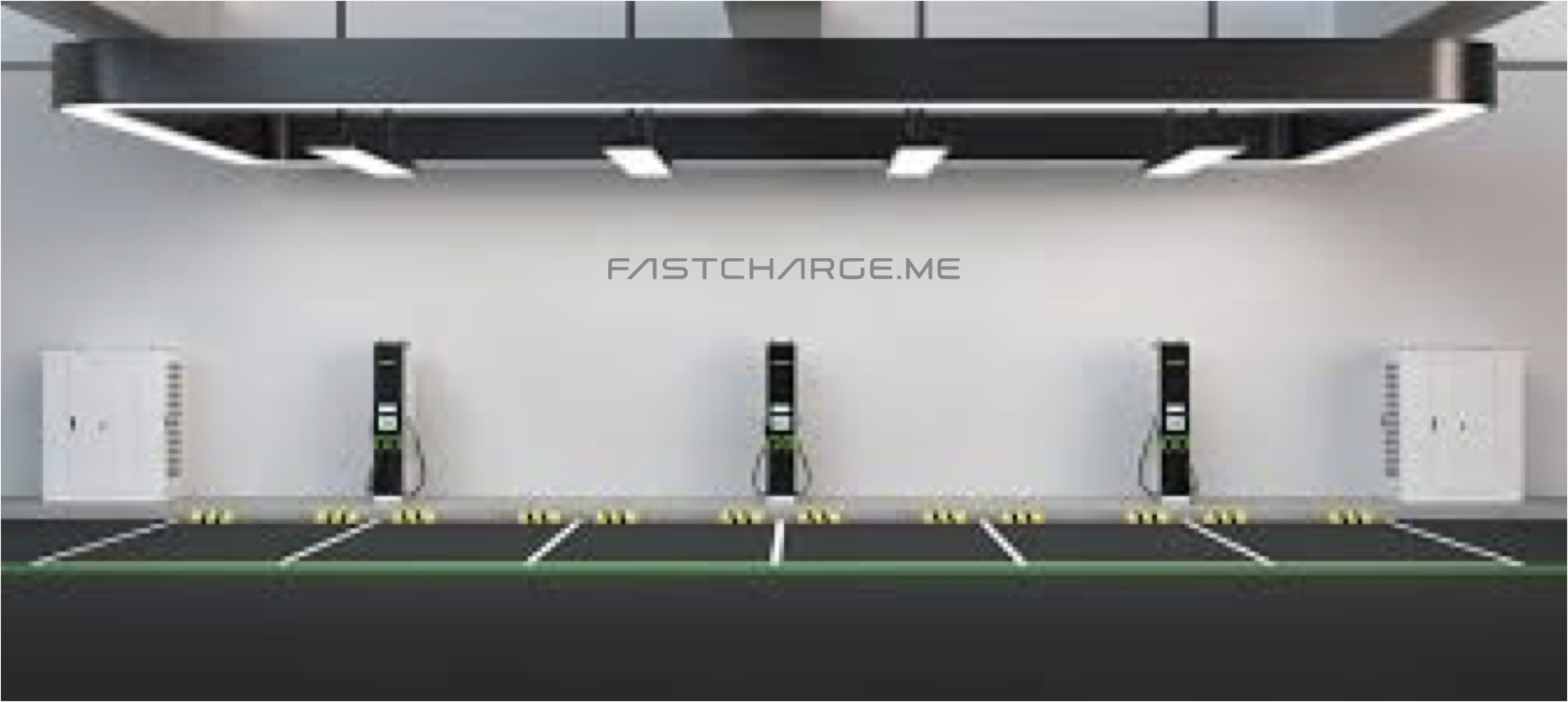
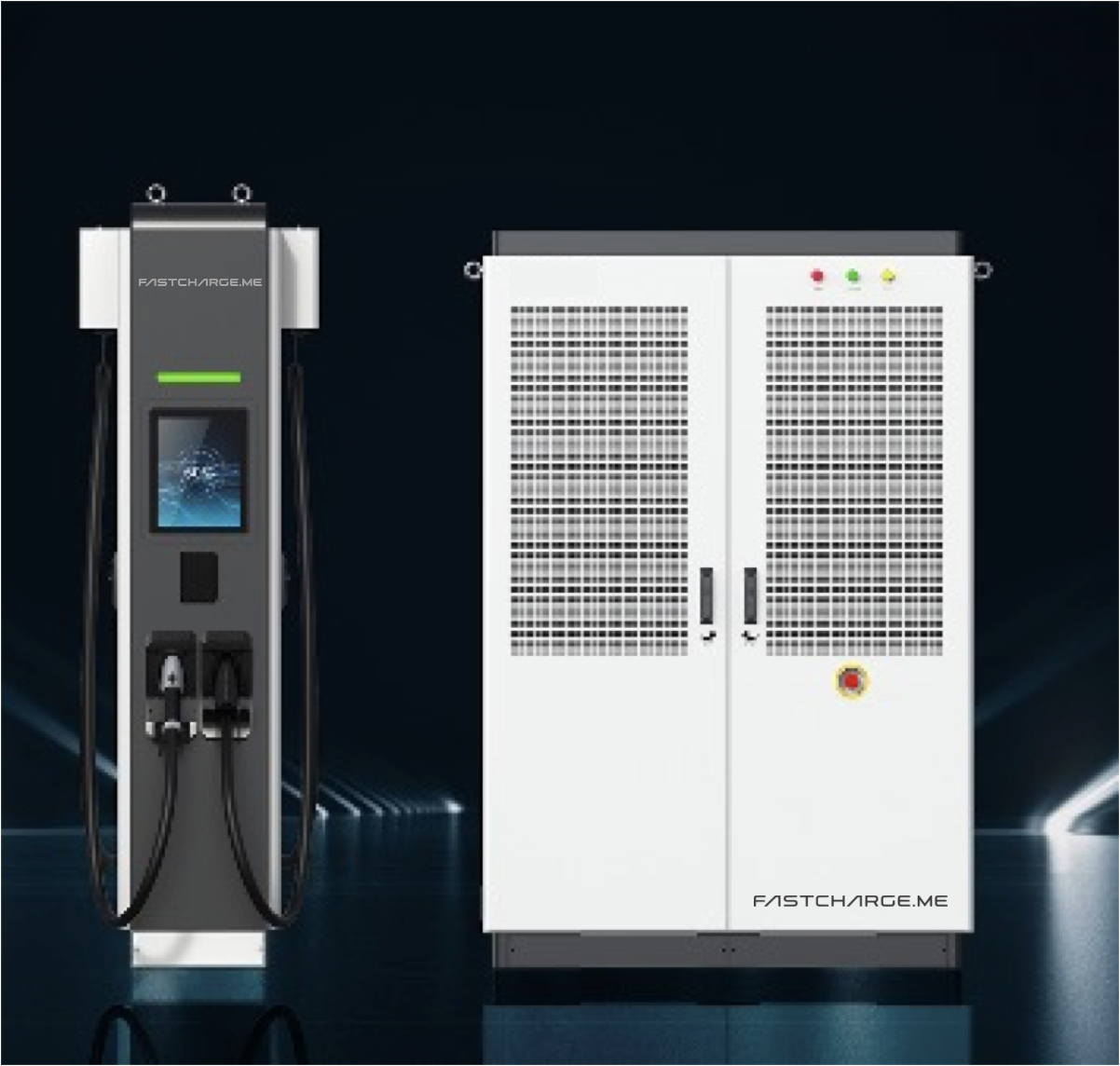

FOR EVERYONE. Drivers, Operators, Fleet Managers.
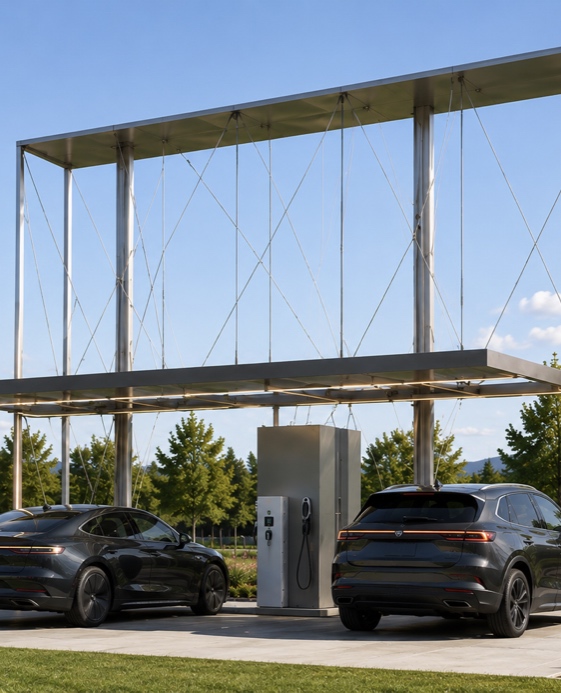
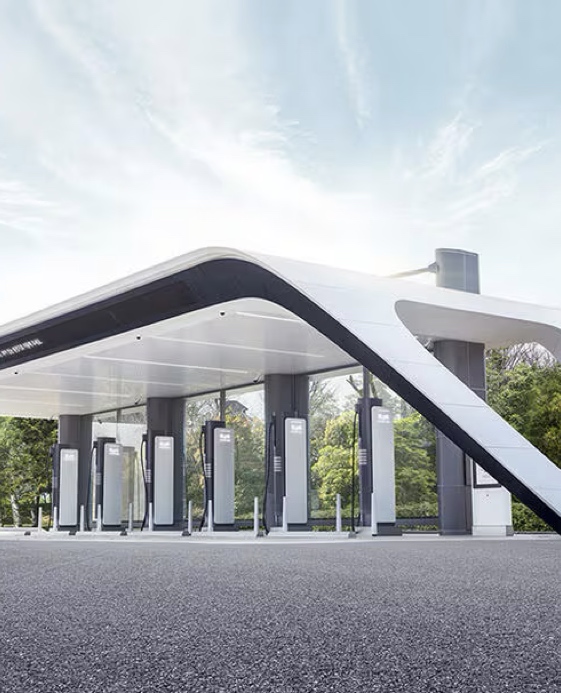
FCME's Distributed 480 kWh Solution is designed for large-scale, high-demand charging environments that require flexible power distribution and scalable infrastructure. This solution is ideal for:
• Fleet operations
• Travel centers
• Commercial charging hubs
• High-traffic public charging locations
Key Benefits:
• High power DC fast charging performance
• Scalable distributed architecture
• Effcient power sharing across multiple dispensers
• Reduced operational downtime
• Intelligent load management
• Designed for future network expansion
• High reliability with enterprise-grade uptime performance
Techincal Overview:
• Architecture: Centralized power cabinet with distributed dispensers
• Charging Power: Up to 480 kW system capacity (site-dependent configuration) Connector Support: CCS (Combined Charging System)
• Load Management: Dynamic power allocation across active charging sessions
• Communication Protocol: OCPP-compatible backend integration
• Operating Environment: Outdoor-rated, all-weather deployment design
• Use Case Design: Multi-vehicle simultaneous charging with optimized energy distribution
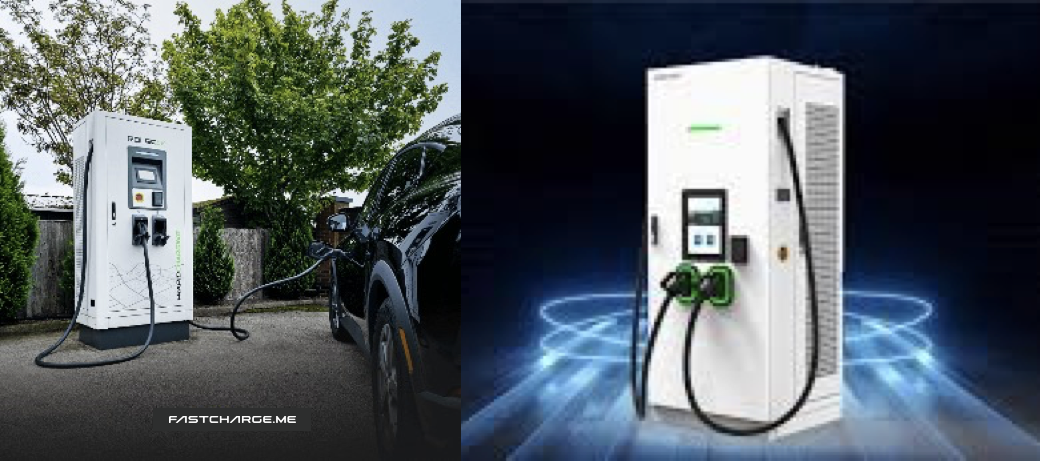
FCME's Stand-Alone 240 KWH Solution provides a compact, efficient charging platform for individual charging locations and smaller-scale deployments. Ideal applications include:
• Retail locations
• Parking facilities
• Municipal installations
• Workplace charging
• Independent commercial sites
Key Benefits:
• Compact all-in-one design
• Fast and reliable DC charging
• Simplified installation and deployment
• Lower infrastructure requirements
• Flexible site integration
• User-friendly driver experience
• Multiple payment options
Techincal Overview:
• Architecture: Integrated all-in-one charging unit
• Charging Power: Up to 240 kW DC fast charging capability
• Connector Support: CCS (Combined Charging System)
• Power Management: Internal load regulation and thermal optimization
• Connectivity: Network-enabled remote monitoring and diagnostics
• Installation Type: Ground-mounted or pedestal-based configuration
• Environmental Rating: Designed for outdoor durability and continuous operation
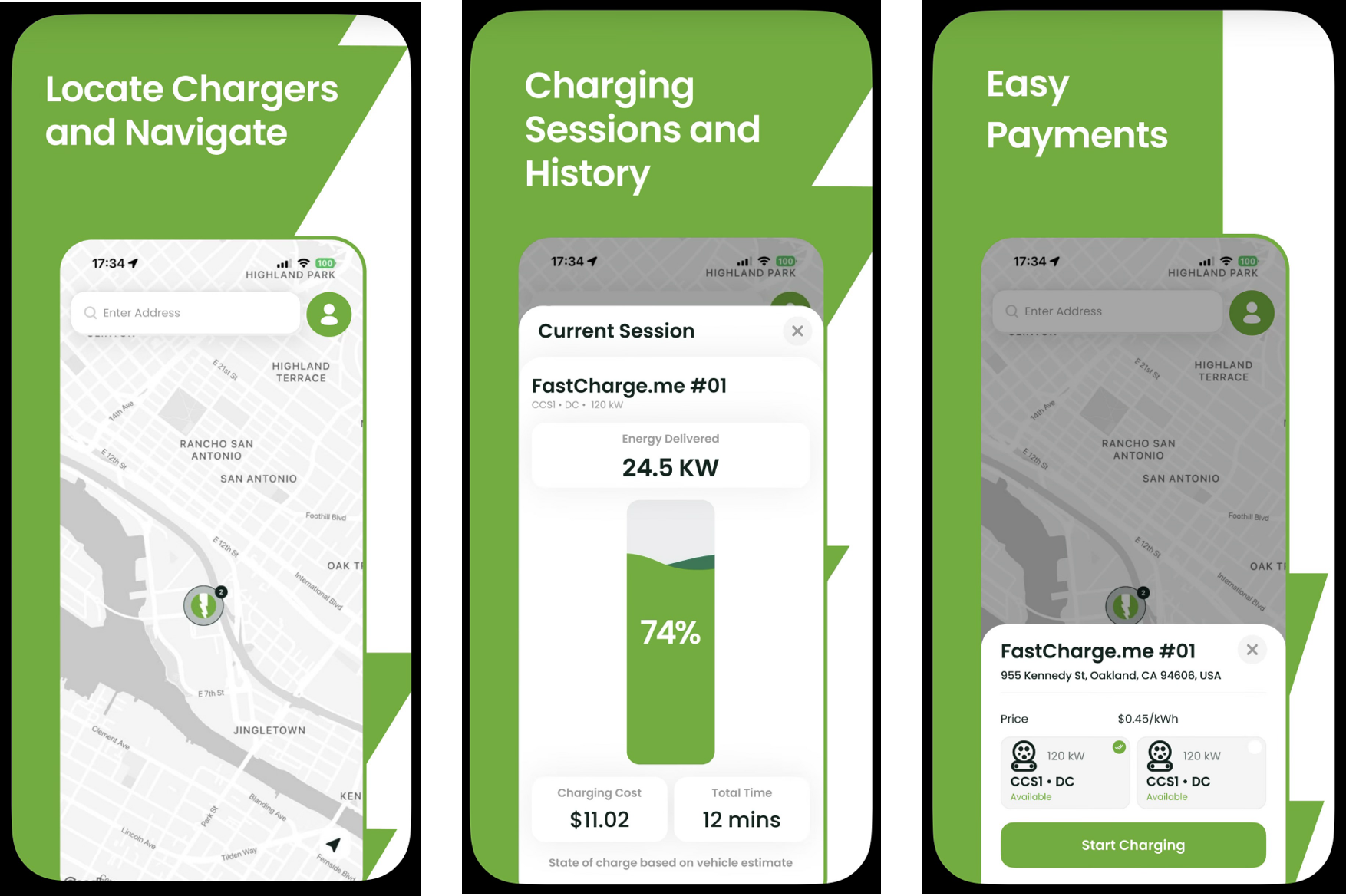
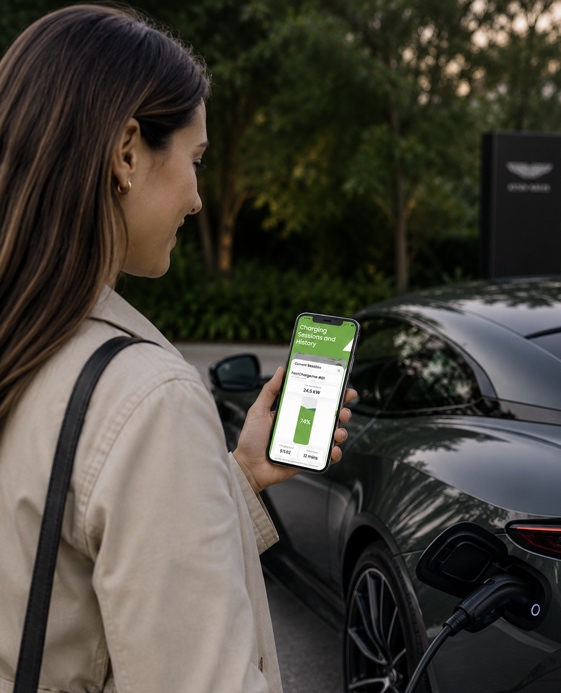
The FCME Mobile App enhances the driver experience by providing convenient access to charging services and real-time network information. App Features:
• Locate participating charging stations
• View charger availability in real time
• Start and manage charging sessions
• Multiple payment options
• Access charging history and account tools
• Mobile-friendly driver support
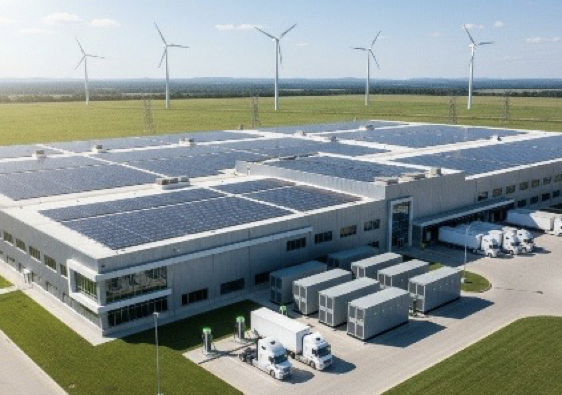
FCME integrates with the GiRS solution developed by ACE Energy Group to support intelligent energy management and operational optimization. Integration Benefits:
• Energy monitoring and optimization
• Infrastructure performance insights
• Improved operational efficiency
• Scalable network management
• Support for future energy initiatives
• Enhanced site intelligence and reporting
The integration between FCME and ACE Energy Group creates a technically advanced charging and energy management ecosystem that optimizes how power is distributed, scheduled, and consumed across charging sites. By enabling real-time load balancing, demand management, and intelligent energy allocation, the system helps reduce peak demand charges and overall strain on the utility grid. This results in improved operational efficiency, lower energy waste, and measurable reductions in utility costs, particularly for high-utilization fleet and commercial charging environments. The outcome is a more cost-effective, scalable, and grid-responsive infrastructure model that supports long-term site profitability.